
See the concept
Students start with visuals, examples, and teacher prompts that make unfamiliar Science words easier to understand.
Build curiosity, Science vocabulary, and clear answering habits through teacher-led lessons, small online classes, and purposeful Roblox practice for Primary 1-3 learners.
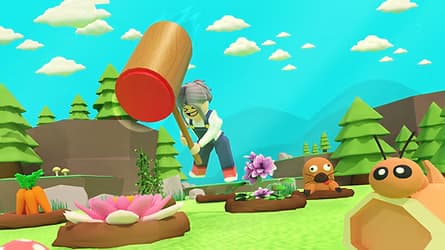




A consistent rhythm so kids know what to expect - and parents can see the progress.
Quick review of last lesson's homework and addressing questions.
Concept teaching, worked examples, and live homework Q&A.
Apply the new concept inside a custom-built Roblox world.
Recap key takeaways and set expectations for the next lesson.
We make abstract topics concrete before asking students to explain them, so younger learners build confidence without memorising blindly.
Students start with visuals, examples, and teacher prompts that make unfamiliar Science words easier to understand.
They practise using the right keywords and complete explanations so open-ended answering feels less intimidating later.
Roblox practice reinforces the same lesson objective, so play time strengthens the concept instead of distracting from it.
Lessons are carefully structured to align with the MOE Primary School syllabus.
Students learn to observe, choose the right keywords, and explain Science ideas clearly before topics become more demanding in upper primary.
Lower-primary students practise simple Science explanations with guided prompts, visual examples, and teacher feedback so they learn the habit of answering clearly.
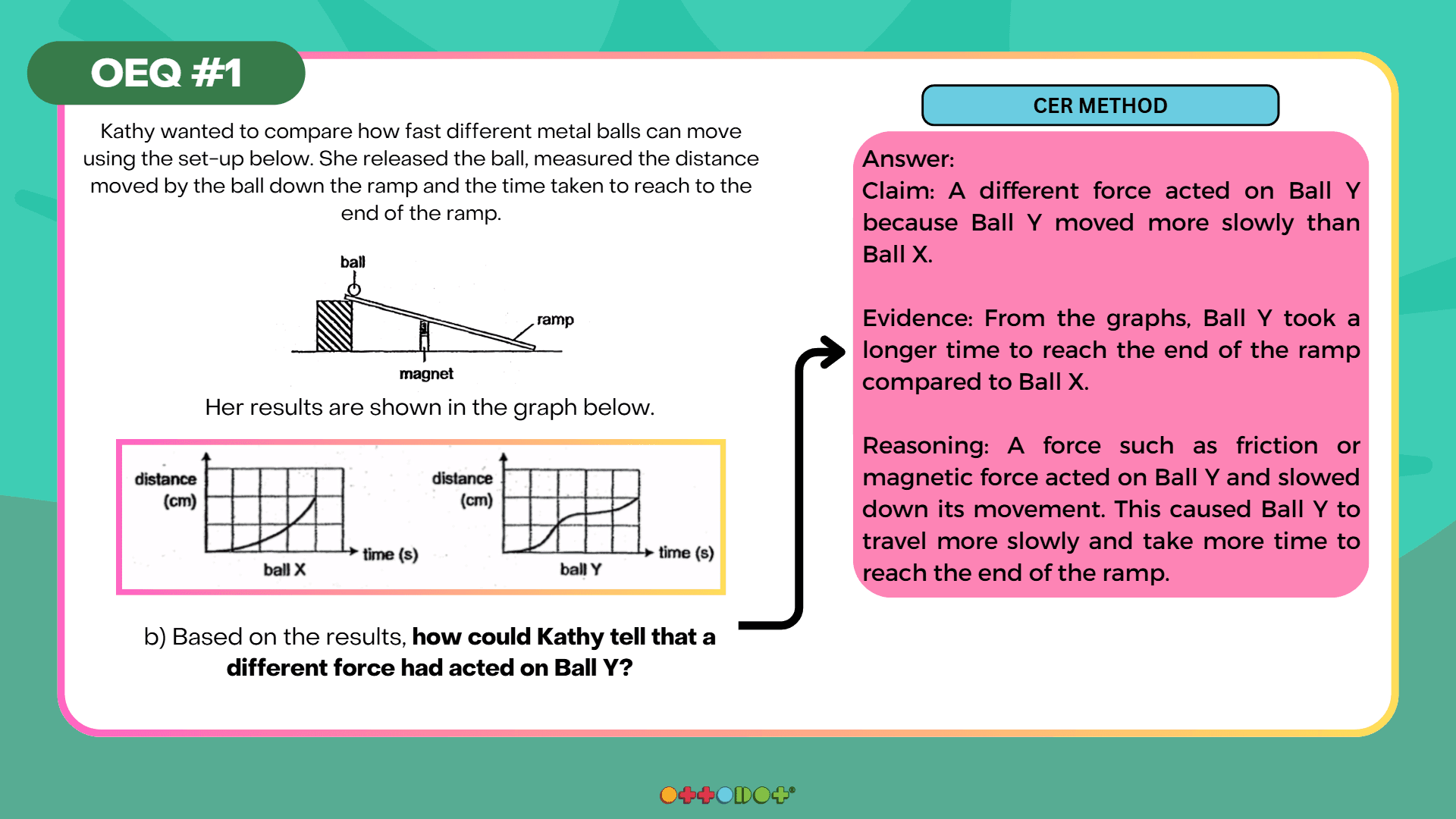
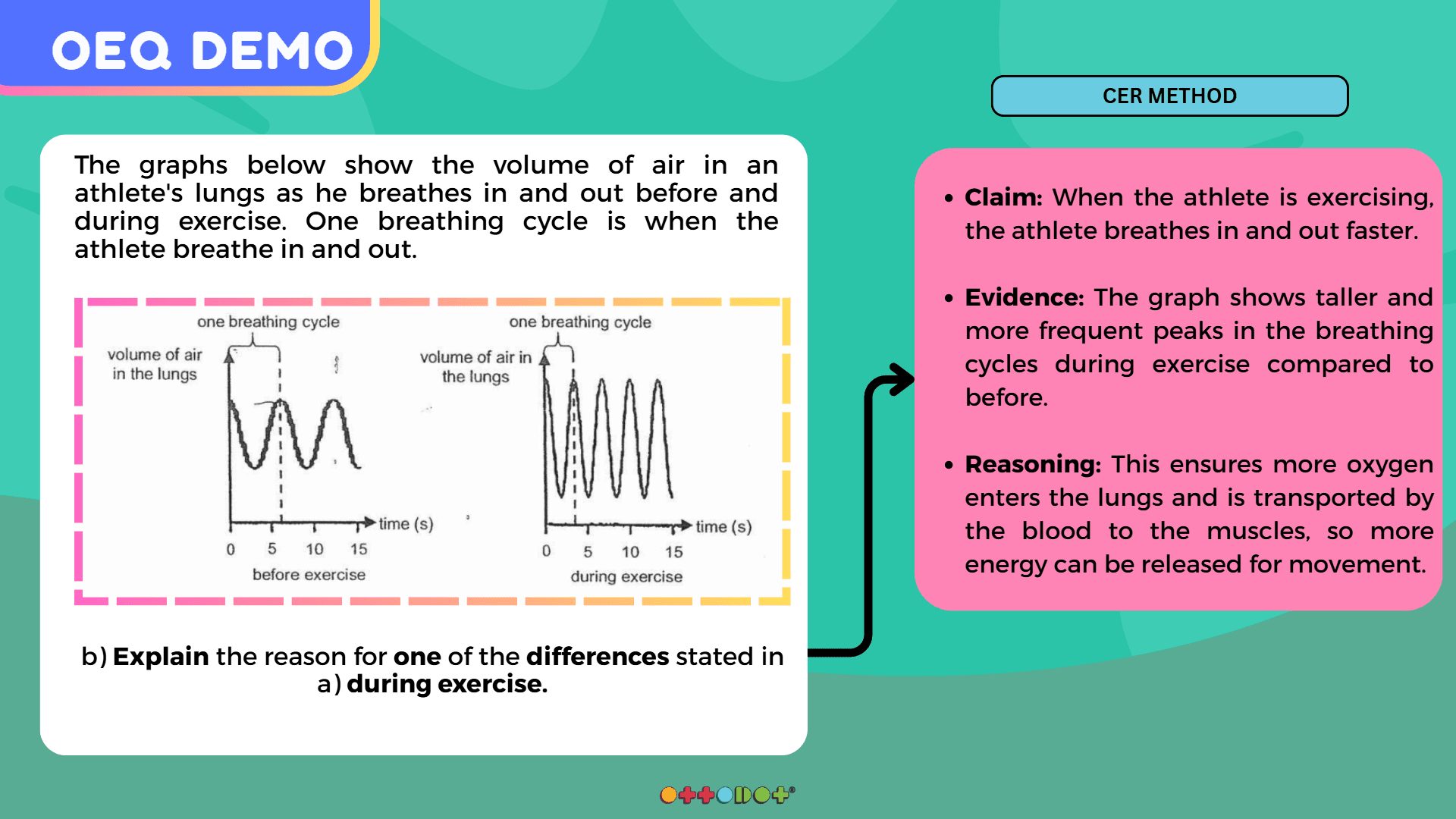
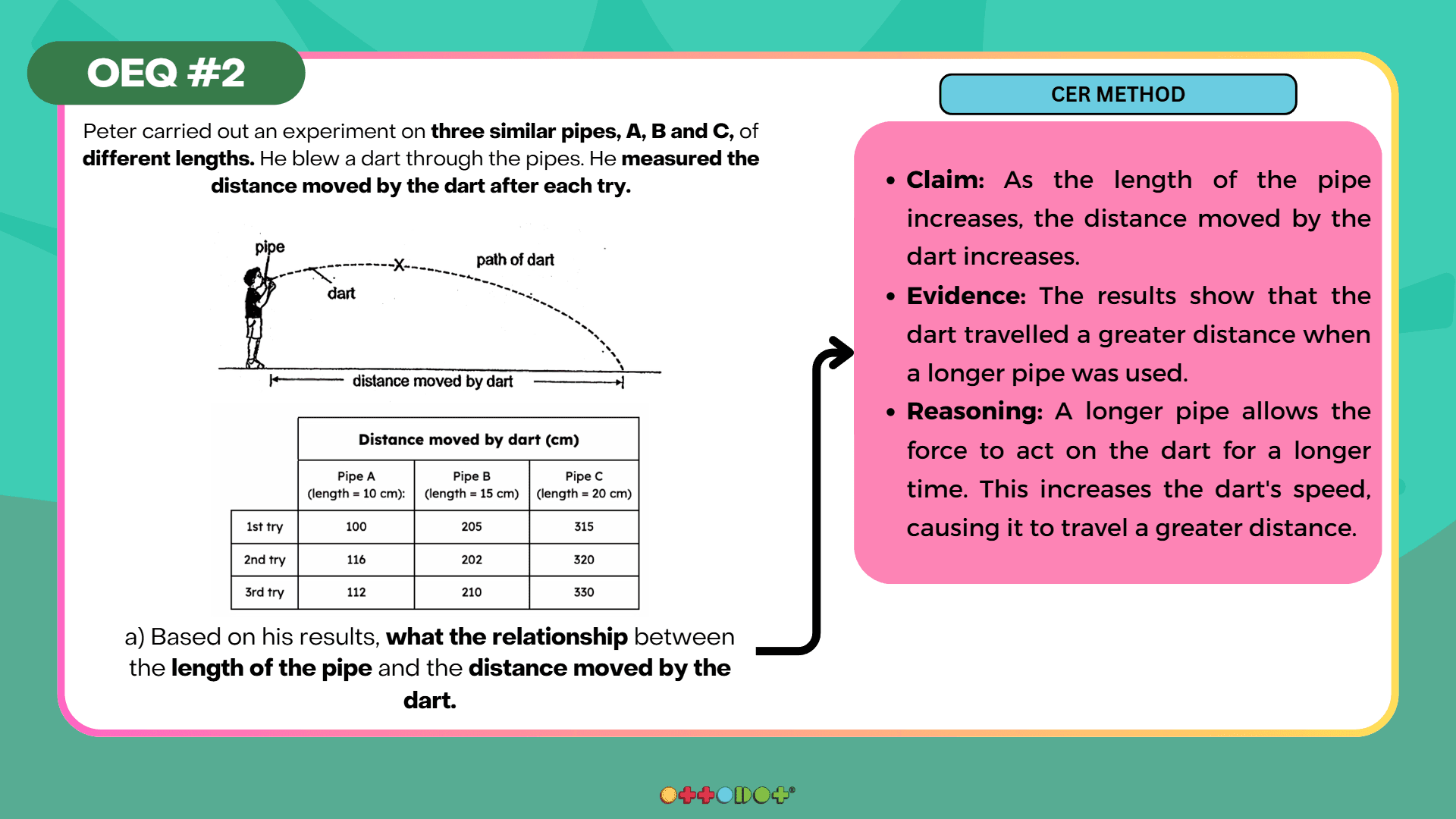
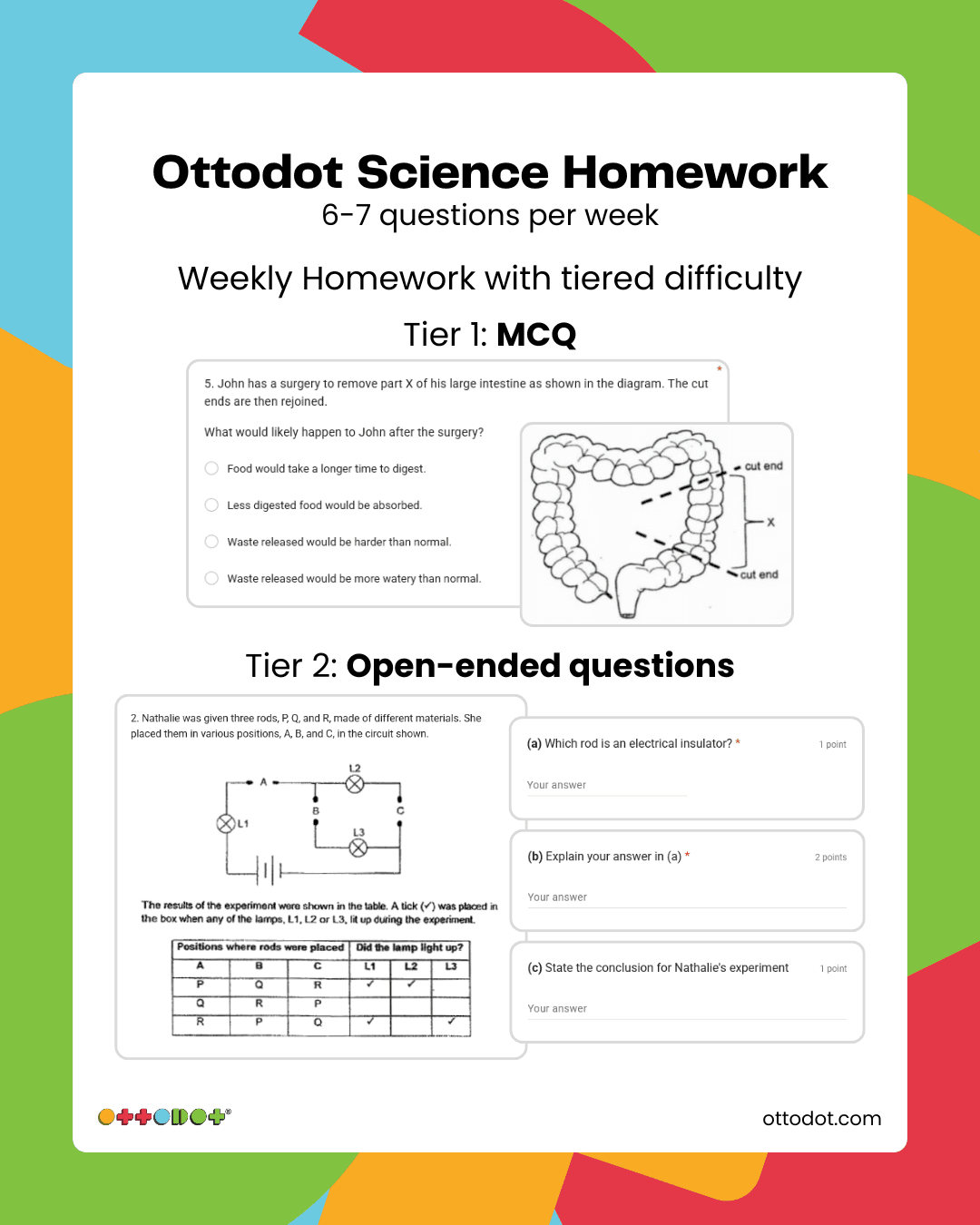
We start with clear examples, visual explanations, and guided questions so younger students can understand each idea before they are asked to remember or apply it.
Each lesson balances teacher-led learning with short, focused Roblox practice so students can see the Science concept in action and stay motivated to keep practising.